
Intro Copy

Unblock Plug-In Solar: A Simple Fix to Rising US Electricity Prices
Date
Plug-in solar panels can lower electric bills instantly, but outdated state rules block this simple solution popular in most of the US. Last year, Utah was the first to legalize plug-in solar – with unanimous bipartisan support. Now, up to 27 US states are considering similar legislation – is your state on the list?
Electricity Prices Are Rising in the US
Your electric bill is up. Again.
Not because we’re streaming the Bad Bunny halftime show, again. It’s also because electricity demand is exploding. In 2025 alone, US residential electricity prices rose 13%. And while industry and other external factors are driving up those prices (more on that below), it’s residential customers – that’s us – who are paying more and more of the tab.
The good part: there’s a simple, affordable tech that lets people lower their bills once installed.
The wild part: In most states, the government is blocking it.
Let’s do something about that, shall we?
What Is Plug-In (Balcony) Solar?
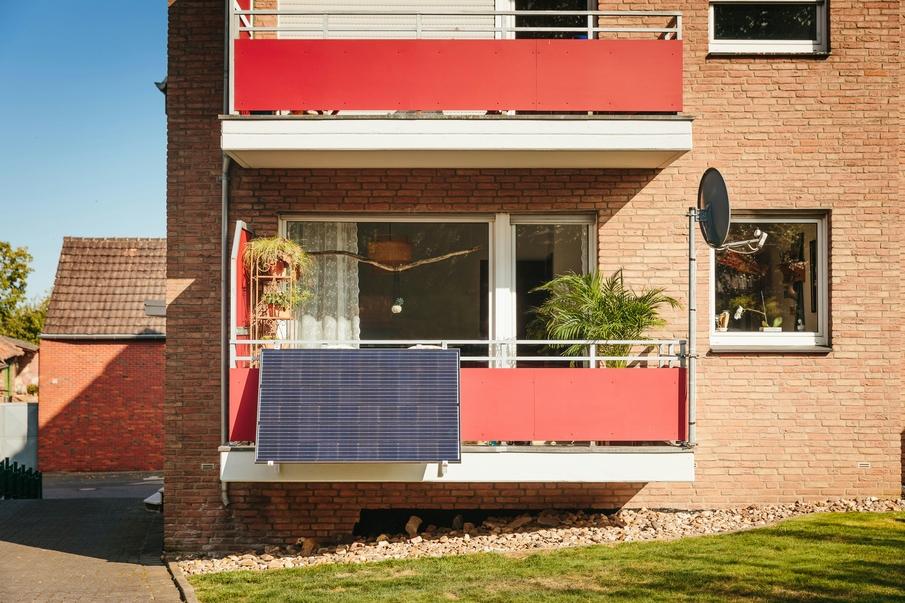
Plug-in solar (often called “balcony solar”) is exactly what it sounds like. Small solar panels. You mount them on a balcony, in a yard, or on a wall or roof. Then you plug them into a standard wall outlet.
No construction crew. No roof work. No expensive installation.
Plug-in solar panels generate electricity and feed it directly into your home – instantly, straight out of the box. People using these panels are saving up to a few hundred dollars a year. And when paired with a battery, they can help power home essentials during outages. That’s affordability and resilience in one tidy package.
Balcony solar has taken off overseas. In Germany, hundreds of thousands of households have adopted plug-in systems.
Meanwhile in the US? Almost every state makes it unnecessarily hard.
One state is the exception…
Is Plug-In Solar Legal in My State?
In 49 US states, outdated “interconnection” rules treat these tiny plug-in panels essentially the same as an industrial sized solar farm. That means applications, fees, long approval waits, and utility pre-permission – all for something that plugs into a wall outlet.
These systems are small. They rarely generate enough electricity to send power back to the grid. But the rules haven’t caught up with the technology.
The result? Government policy is standing between US families and cheaper, cleaner energy.
How Utah Passed Plug-In Solar Legislation
In 2025, Utah became the first state to fix all this.
Lawmakers passed House Bill 340 with unanimous bipartisan support. The bill simply removed unnecessary interconnection requirements for qualifying plug-in systems, while keeping clear safety standards in place.
No new bureaucracy. No cost to the state. Just cutting red tape.
It didn’t happen by accident. One lawmaker learned of the tech, and lawmakers on both sides of the aisle saw what it could do for affordability, consumer choice, and energy freedom – partisan politics and climate pollution weren’t even part of the conversation (though plug-in solar does help reduce emissions!). And lawmakers in Utah acted. They passed a bill unanimously that now serves as a successful and popular example of plug-in solar policy.
According to recent state legislative tracking, as of February 2026, more than 27 US states have introduced similar legislation. The momentum is real, and the time to act is now. But to pass these policies and make widespread plug-in solar adoption not only possible but also the norm, the public needs to voice its support.
That’s where you come in.
Why This Matters Right Now
People need options. Fast.
Data centers are forcing their way into communities, using more energy than ever and contributing to an estimated 25% electricity demand increase by 2030. Meanwhile the US power grid is old and bottlenecked. “Natural” gas prices are volatile. Extreme weather is creating spikes in demand. And the Trump administration’s federal policy decisions are preventing the buildout of cheaper clean energy projects.
All of this is driving energy costs up, up, up.
Plug-in solar offers something powerful:
- Lower bills
- More self-sufficiency
- Expanded options for people to go solar (like apartment dwellers and low-income households)
To allow people to buy and plug in solar, state lawmakers first need to update the rules.
Utah demonstrated it can happen.
How to Legalize Plug-In Solar in Your State
Up to 27 states are moving to unblock this simple product. Is yours?
You can be the reason your state legalizes plug-in solar.
Start by joining an Hour of Action. In 60 minutes, you can take real, coordinated action in a festive, productive space alongside advocates across the country. Join others in contacting lawmakers, supporting active bills, and helping bring affordable clean energy home.
One hour. Real impact. No experience needed. Climate Reality hosts these Changemakers Hours of Action every week on Zoom and in-person across the country. In March and April, we’ll be focused on plug-in solar.
Can’t fit another event into your schedule? Take action on your own, anytime, using this free, simple, and powerful online Action Pack.
Let’s cut the red tape and make this no-brainer policy the norm nationwide.
FAQ
Is plug-in solar legal in the United States?
In most states, outdated “interconnection rules” significantly restrict simple plug-in solar. Utah is currently the only state with clear legislation allowing streamlined use.
How much can plug-in solar save?
Households can save several hundred dollars per year, depending on electricity prices and system size.
Is plug-in solar safe?
When certified to national electrical standards, plug-in systems are considered safe and are already widely used in Europe.
What might a 1200W plug-In solar unit reasonably power around the home?
Things like a fridge or microwave. This chart is a neat look at how much electricity standard home appliances use.
Why are states blocking plug-in solar?
Most restrictions stem from legacy interconnection rules designed for much larger rooftop systems, not small plug-in panels.
How do I access plug-in solar in my state?
In states with clear rules (like Utah), you can purchase a certified system, mount it on a balcony, patio, or wall, and then plug it into a standard outlet. However, in most states, outdated regulations make the process harder than it should be. If your state hasn’t updated its rules yet, the fastest way to access plug-in solar — and make it available to others — is to help change the law. Join an Hour of Action to move it forward.
READ MORE
-
 December 18, 2025
Ten Years After the Paris Agreement, COP Has to Change
-
 November 7, 2025
Goal Two: Ending Fossil Fuel Obstruction
-
 October 23, 2025
Goal One: Why We Need Ambitious Climate Action Plans


