
Intro Copy

What is Desertification?
Date
Climate change is a formidable driver of desertification, transforming once-productive lands into barren wastelands across the globe.
Desertification is the process by which once fertile land becomes desert, typically as a result of drought, deforestation, or unsustainable land management, including excessive agriculture and overgrazing. It's a severe form of land degradation in which a region becomes increasingly arid, losing its bodies of water, vegetation, and wildlife.
Human activities often exacerbate this natural process, leading to reduced biodiversity, increased dust storms, and displacement of populations.
This process is not solely about the expansion of existing deserts, however; but also the degradation of drylands, particularly in arid, semi-arid, and dry sub-humid areas. These areas, already characterized by water scarcity, are exceptionally vulnerable to the accelerating impacts of a warming planet.
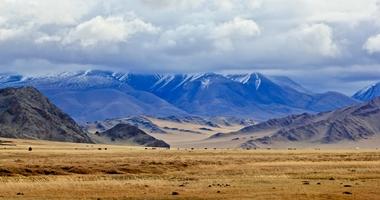
We’re seeing it everywhere. From the Sahel region of Africa, where overgrazing and deforestation have contributed to land degradation, to the expansion of the Gobi Desert in Mongolia, desertification is rampant.
“In Africa, some 40 million people are living in severe drought conditions already,” the World Economic Forum writes. “And, in Asia, China, Uzbekistan, and Kyrgyzstan are among the countries that have seen temperatures soaring.”
“One of the most prominent examples of desertification is the Aralkum desert in central Asia. In the 1960s, the area was covered by the fourth-largest lake in the world, the Aral Sea. Since then, it has shrunk to a tenth of its former size, with only three small, highly salty lakes remaining.”
Rising Temperatures
One of the most direct ways climate change fuels desertification is through rising global temperatures.
The land surface warms faster than the Earth's surface as a whole, leading to increased evaporation from soils and vegetation. This heightened evaporative demand depletes soil moisture, causing plants to wilt and die. When vegetation cover and root structure diminishes, the soil is left exposed to the elements, making it highly susceptible to erosion by wind and water.
This creates a vicious cycle: less vegetation leads to drier, less fertile soil, which in turn supports even less plant life, further accelerating desertification.
Changing Precipitation
Changes in rainfall patterns are another critical factor.
Climate change is altering the frequency, intensity, and distribution of precipitation. Many dryland regions are experiencing more prolonged and severe droughts, leaving the land parched for extended periods. When rain does eventually fall, it often comes in short, intense bursts, and the dry, less permeable ground can lead to flash floods that wash away precious topsoil rather than replenish groundwater.
This erratic rainfall pattern prevents land from recovering, hindering plant growth and exacerbating soil erosion.
The reduction of snowpack and glacier meltwater in mountainous regions also contributes to desertification, particularly in areas dependent on these sources for water.
As global temperatures rise, snow and glaciers melt more rapidly and in some cases, disappear entirely. This reduces the flow of meltwater to rivers and aquifers in downstream arid and semi-arid regions, leading to severe water shortages for agriculture, ecosystems, and human consumption. The American Southwest, for example, is grappling with reduced snowpack in the Rockies, a vital water source, intensifying desertification.
Feedback Loops
Beyond these direct impacts, climate change contributes to desertification through various feedback loops. As vegetation is lost and land degrades, the land surface darkens, reducing its albedo (reflectivity). This means more solar radiation is absorbed, leading to further warming and increased evaporation, intensifying the desertification process.
Additionally, healthy soils act as significant carbon sinks, storing vast amounts of organic carbon. When land degrades, this carbon is released into the atmosphere as carbon dioxide, further contributing to greenhouse gas concentrations and accelerating global warming, thus completing a detrimental positive feedback loop.
Wildfires
Climate change can also increase the frequency and intensity of wildfires. Warmer and drier conditions create ideal environments for fires to ignite and spread, destroying vegetation cover and leaving the soil exposed and vulnerable to erosion. These fires not only contribute to immediate land degradation but also release significant amounts of carbon, further exacerbating climate change.
Food Security
The consequences of climate change-induced desertification are far-reaching, impacting social and economic systems globally.
Food security is severely threatened as productive land becomes infertile, leading to reduced crop yields and livestock pasture. This can result in malnutrition, famine, and increased reliance on artificial irrigation and chemical fertilizers, further straining water resources and soil health.
Millions of people, particularly in developing countries, depend directly on these degraded lands for their livelihoods, leading to increased rural poverty and forced migration as communities are displaced by uninhabitable conditions. This can, in turn, lead to social unrest and conflict over dwindling resources. Biodiversity also suffers significantly as habitats are destroyed, threatening countless plant and animal species with endangerment or extinction.
What You Can Do
In short, climate change accelerates desertification through a complex interplay of rising temperatures, altered precipitation patterns, reduced water availability from snow and glaciers, and detrimental feedback loops.
This global crisis not only transforms landscapes but also has profound and escalating impacts on human well-being, food security, and ecological balance around the world.
Addressing desertification effectively requires a holistic approach that tackles both the drivers of climate change and implements sustainable land management practices to restore degraded ecosystems and enhance resilience.
Ready to learn more about the growing threat of desertification – and what you can do about it?
Sign up for the REALITY Tour online experience.
In just a few clicks, you’ll have access to a variety of resources, including former Vice President Al Gore’s world famous climate slideshow, from stops on Climate Reality’s global REALITY Tour of trainings.
Gain insight into the climate crisis and what you can do to join the fight against it. Join the REALITY Tour online experience now.
READ MORE
-
 July 25, 2025
How the Climate Crisis is Impacting Mongolia
-
 June 16, 2025
Hot Water: The Danger of Warming Oceans


